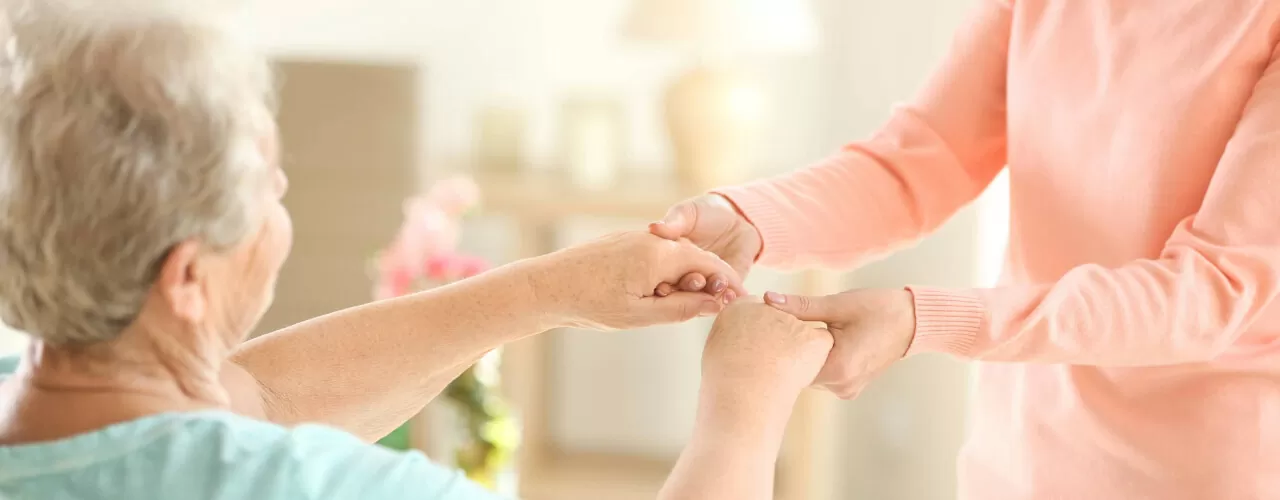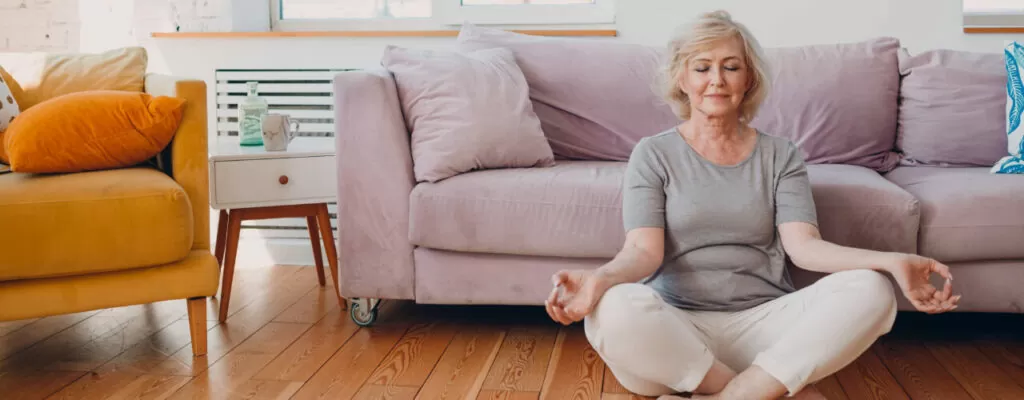
For many seniors, chronic pain is more than just an inconvenience—it can limit mobility, reduce independence, and affect overall well-being. Managing pain effectively requires a personalized approach, especially for those who find it difficult to leave their homes for treatment. Chronic pain management for seniors is most effective when it includes targeted movement strategies, hands-on therapy, and home-based modifications. This is Beverly’s story (not her real name), a testament to how in-home physical therapy at Sobe Rehab helped her regain mobility, confidence, and control over her pain.
Beverly’s Story: A Life Limited by Pain
At 76, Beverly had always been an active woman. She enjoyed gardening, walking her dog, and keeping up with her grandchildren. However, over the past few years, chronic pain in her lower back and knees had started interfering with her daily routine.
Challenges Beverly Faced
- Persistent lower back pain that worsened with standing or walking.
- Knee discomfort that made stairs and prolonged activity difficult.
- Limited mobility, causing her to avoid physical activity out of fear of worsening pain.
- Increased reliance on pain medication, which provided only temporary relief.
Beverly’s family grew concerned as she became more sedentary and withdrawn. Her physician recommended chronic pain management for seniors through in-home physical therapy to help her regain strength and function without the strain of traveling to a clinic.
A Customized Plan for Chronic Pain Management
Beverly’s physical therapist at Sobe Rehab started with a comprehensive evaluation to assess her mobility, strength, and pain levels. The assessment revealed:
- Muscle weakness contributing to joint instability.
- Reduced flexibility, increasing strain on her lower back and knees.
- Compensatory movement patterns that worsened her pain over time.
A personalized treatment plan was created to address these issues and focused on:
- Pain relief techniques to ease discomfort.
- Strengthening exercises to support joints and improve stability.
- Postural training to reduce stress on her back and knees.
Chronic Pain Management for Seniors: How Physical Therapy Helped Beverly
1. Gentle Mobility Exercises to Reduce Stiffness
- Beverly’s therapist guided her through safe, low-impact movements to:
- Increase flexibility in her lower back and legs.
- Reduce stiffness in her knees and hips.
- Improve circulation to promote healing and reduce inflammation.
Over time, these movements helped her feel more comfortable and confident in her mobility.
2. Strength Training to Support Joint Health
Since weakness in Beverly’s legs contributed to her pain, her therapist introduced targeted exercises to do the following:
- Build muscle around her knees for better support.
- Improve core strength, reducing strain on her lower back.
- Enhance endurance, making daily activities easier.
Gradually, Beverly found she could walk longer distances with less discomfort.
3. Postural Adjustments to Prevent Pain Aggravation
Beverly’s therapist identified postural habits that increased stress on her back and knees. By making small modifications, she learned to:
- Distribute her weight evenly when standing.
- Use proper body mechanics when bending or lifting objects.
- Sit and rise safely to avoid unnecessary strain.
These adjustments reduced the pressure on her joints, allowing for pain-free movement in daily tasks.
4. Hands-On Therapy for Pain Relief
In addition to exercise, Beverly’s therapist used:
- Manual therapy techniques to release muscle tension.
- Gentle stretching and mobilization to improve range of motion.
- Guided breathing techniques to help her relax and manage discomfort.
These approaches helped Beverly rely less on pain medication, giving her a more sustainable long-term solution.
5. Home Modifications for a Pain-Free Lifestyle
Beverly’s therapist also made small recommendations to reduce strain on her joints at home:
- Adding a sturdy chair with armrests to assist with standing up.
- Using a raised toilet seat to minimize knee bending.
- Ensuring proper footwear for joint support.
These adjustments allowed her to move comfortably and safely in her own home.
Beverly’s Progress: Reclaiming Independence and Comfort
After two months of in-home therapy, Beverly noticed significant improvements:
- Less reliance on pain medication, with better pain control through movement and therapy.
- Increased mobility, allowing her to enjoy walks with her dog again.
- Improved strength and endurance, making daily tasks easier.
- Greater confidence, no longer avoiding stairs or prolonged standing.
By following her therapist’s guidance, Beverly not only reduced her pain but also regained the freedom to do the activities she loves.
Find Relief Through In-Home Therapy at Sobe Rehab
Beverly’s journey proves that chronic pain management for seniors doesn’t have to rely solely on medication. With expert physical therapy, pain can be managed naturally through movement, strength-building, and lifestyle adjustments.
Take the first step toward lasting relief—contact Sobe Rehab today to start a customized in-home therapy program.
Tags: Chronic Pain Relief, mobility support, pain management, senior mobility